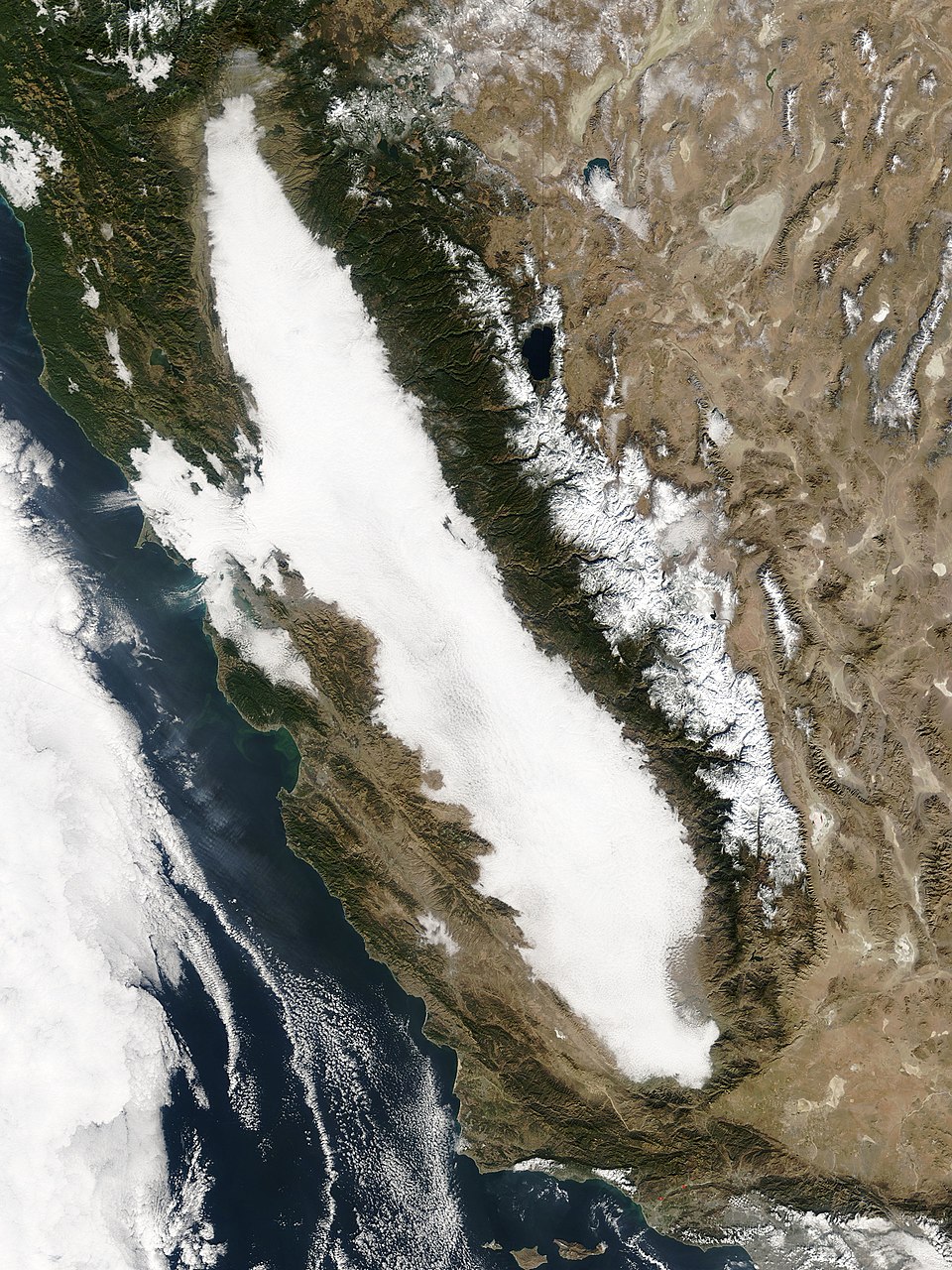
Understanding Bakersfield's Tule Fog & Winter Weather
When most people think of Bakersfield, images of scorching summer days and vast agricultural fields often come to mind. While the city certainly earns its reputation for intense heat, the other side of the coin reveals a distinct and equally impactful seasonal phenomenon: winter. Far from the snowy landscapes of other regions, winter in Bakersfield is defined by cool, often mild temperatures and, most notably, the dense, pervasive Tule Fog. Understanding this unique aspect of Bakersfield Weather is crucial for residents and visitors alike, as it significantly impacts daily life, travel, and even air quality during the colder months.What is Tule Fog? Understanding the Phenomenon
Tule Fog is not just any ordinary mist; it's a specific type of radiation fog that is characteristic of California's Central Valley, particularly prominent in areas like Bakersfield. This dense, ground-hugging fog forms under very specific atmospheric conditions:- High Relative Humidity: Typically, following a rain event or prolonged periods of moisture in the soil, the air near the surface is saturated with water vapor.
- Clear Skies at Night: Cloudless nights allow for maximum radiative cooling. The ground rapidly loses heat, which then cools the air directly above it.
- Light or No Wind: Calm conditions prevent the mixing of air layers, allowing the cold, dense air to pool near the surface and condense into fog. Even a slight breeze can lift or dissipate the fog.
- Temperature Inversion: A layer of warmer air sits above a layer of colder air near the ground. This inversion acts like a lid, trapping the cold, moist air and allowing the fog to thicken and persist.
Navigating the Fog: Safety Tips for Bakersfield Drivers
The most significant impact of Tule Fog is on transportation. Reduced visibility due to dense fog is a primary cause of multi-vehicle accidents on Central Valley highways. Driver safety during these periods is paramount. Here are essential tips for navigating through Tule Fog:- Slow Down Significantly: The golden rule of fog driving is to reduce your speed. Visibility is your guide; if you can only see 50 feet ahead, your speed should be low enough to stop within that distance.
- Use Low Beam Headlights: High beams reflect off the fog droplets, making visibility even worse. Low beams illuminate the road closer to your vehicle without blinding you.
- Utilize Fog Lights (If Available): If your vehicle has front fog lights, turn them on. They are designed to cut through fog more effectively than standard headlights. Remember to turn them off once visibility improves.
- Increase Following Distance: Leave ample space between your vehicle and the one in front of you. This provides more time to react if the car ahead suddenly brakes.
- Avoid Sudden Braking or Steering: Sudden maneuvers can cause you to lose control or lead to rear-end collisions, especially when other drivers have limited visibility.
- Be Extra Vigilant at Intersections and Railroad Crossings: These are high-risk areas. Listen for trains and be cautious of vehicles that may not see you.
- Look and Listen: Roll down your window slightly to listen for traffic you might not see. Pay close attention to sounds that indicate other vehicles are nearby.
- Consider Delaying Travel: If possible, wait for the fog to lift, which often happens later in the morning as the sun warms the air. Always check the latest Bakersfield Weather and traffic reports before heading out.
- Pull Over Safely if Necessary: If the fog becomes too dense to drive, pull completely off the road to a safe area, turn off your lights (so you don't become a target for other drivers following your taillights), and wait it out.
Beyond the Fog: Other Winter Weather Aspects in Bakersfield
While Tule Fog often steals the spotlight, winter in Bakersfield encompasses more than just low visibility. The overall Bakersfield Weather during this season is distinct from its sweltering summers. Compared to many parts of the country, Bakersfield winters are generally mild. Daytime temperatures typically range from the low 50s to low 60s Fahrenheit (10-16°C), while nights can dip into the low 30s or even upper 20s (around 0°C or slightly below), leading to occasional frost. Snow is an extremely rare event in the city itself, though the nearby Tehachapi Mountains and other higher elevations often receive significant snowfall, offering opportunities for winter recreation just a short drive away. Rainfall during the winter months is modest but crucial for replenishing local water supplies. Bakersfield experiences a Mediterranean climate, meaning most of its annual precipitation occurs from November to April. However, even during these months, extended dry spells are common. For a more comprehensive overview of the city's climatic patterns, you can refer to our Bakersfield Weather: Year-Round Forecast & Climate Guide. Another critical aspect of Bakersfield's winter weather, often exacerbated by Tule Fog, is air quality. The same temperature inversions that trap fog can also trap pollutants. Without wind to disperse them, particulate matter and other emissions can accumulate, leading to poor air quality days. Residents, especially those with respiratory sensitivities, should monitor air quality reports from the San Joaquin Valley Air Pollution Control District during these periods.Preparing for Winter in Bakersfield: Essential Tips
Being prepared for the specific challenges of Bakersfield's winter weather can make a significant difference in comfort and safety.For Your Home:
- Check Heating Systems: Before the real cold sets in, have your furnace inspected and cleaned. Ensure it's operating efficiently.
- Carbon Monoxide Detectors: If using gas heaters or fireplaces, ensure carbon monoxide detectors are installed and functioning correctly. This is vital as homes are often sealed up during colder weather.
- Draft Proofing: Seal any drafts around windows and doors to keep warm air in and reduce heating costs.
- Protect Outdoor Pipes: While deep freezes are rare, covering exposed pipes can prevent bursting during exceptionally cold nights.
For Your Vehicle:
- Tire Check: Ensure your tires have adequate tread and are properly inflated. Cold weather can reduce tire pressure.
- Wiper Blades & Fluid: Replace old wiper blades for clear visibility, especially important in fog and rain. Top up windshield washer fluid.
- Defroster & Heater: Verify your vehicle's defroster and heater are working effectively for both warmth and visibility.
- Emergency Kit: Keep an emergency kit in your car with essentials like blankets, water, a first-aid kit, and jumper cables, especially if you travel outside city limits where fog can be even denser.
For Yourself:
- Dress in Layers: Even though days can be mild, mornings and evenings are often chilly. Layers allow you to adapt to changing temperatures throughout the day.
- Stay Informed: Regularly check local Bakersfield Weather forecasts, particularly for fog advisories and air quality alerts. Local news and weather apps are invaluable resources.
- Hydration: While less critical than in summer, staying hydrated is always important. If you're accustomed to planning for the scorching temperatures, you might also find our guide on Beat the Heat: Surviving Bakersfield's Summer Weather insightful for year-round preparation.